សេដ្ឋកិច្ច

សេដ្ឋកិច្ច

Friday, March 15, 2013

វិធី ៨ យ៉ាងដើម្បីមើលឃើញខ្មោច

Sunday, July 1, 2012

 Saturday, December 3, 2011

វិធី ៨ យ៉ាងដើម្បីមើលឃើញខ្មោច


តាមពិតទៅមិនមែនខ្ញុំជាគ្រូចាប់ខ្មោចអីនោះទេ តែខ្ញុំបានអានអត្ថបទរបស់អ្នកភូមិជាមួយគ្នា អ្នកនិពន្ធវ័យក្មេង ឃើញថាចាប់អារម្មណ៍ ណាស់អារឿងខ្មោចហ្នឹង ចឹងក៏សំរេចចំលងទាំងស្រុងពីម្ចាស់ដើមដើម្បីផ្សព្វផ្សាយបន្ត (សង្ឃឹមថាម្ចាស់អត្ថបទមិនប្រកាន់ និងប្តឹងផ្តល់ពីករណីមិនគោរពច្បាប់កម្មសិទ្ធិបញ្ញានោះទេ) ខាងក្រោមជាការរៀបរាប់យ៉ាងក្បោះក្បាយពីរបៀបមើលឃើញខ្មោច៖
គ្រប់វិធីទាំងអស់​​ត្រូវ​ធ្វើ​នៅ​ចន្លោះ​​ពី​ម៉ោង ​​១០ ​ទៅ​​ម៉ោង​ ១២ ពាក់​កណ្តាល​អធ្រាត្រ​ និង​មិន​ត្រូវ​ឲ្យ​ហួស​​ពី​ពាក់​កណ្តាល​អធ្រាត្រ​ទេ​​ ព្រោះ​ចាត់​ទុក​ថាឆ្លង​ចូល​ថ្ងៃ​ថ្មី​​ហើយ​។ គ្រប់​វិធី​ហាម​ប្រើ​ព្រះ​ លើក​លែង​តែ​វិធី​ទី​៨​។ ថ្ងៃ​ដែល​ធ្វើ​ ហើយ​មាន​ឱកាស​​មើល​ឃើញ​ច្រើន​បំផុត​គឺ​ ថ្ងៃ​ពុធ​ និង​ថ្ងៃ​អាទិត្យ​។ មនុស្ស​ដែល​មាន​ឱកាស​បាន​​ឃើញ​​ងាយ​​បំផុត​គឺ​ អ្នក​ដែល​កើត​ថ្ងៃ ​ពុធ​ សុក្រ​ និង​ថ្ងៃ​អាទិត្យ​។ គ្រប់​វិធី​អាច​ឲ្យ​អ្នក​ផ្សេង​នៅ​ជា​មួយ​​ក៏​បាន លើក​លែង​វិធី​ដែល​បញ្ជាក់​ថា ត្រូវ​ធ្វើ​ម្នាក់​ឯង​។ គ្រប់​វិធី​ត្រូវ​បិទ​ភ្នែក​ បើ​​ប្តូរ​​ចិត្ត​​លែង​ចង់​ឃើញ​ ឲ្យ​យក​វត្ថុ​គ្រប់​យ៉ាង​ចេញ​ឲ្យ​អស់​​ ​ហើយ​​សឹម​បើក​ភ្នែក​។
  • វិធីទី១៖ ឈ្ងោក​​មើលតាមចន្លោះជើងទាំងពីរ
១. រើស​​ស្លឹក​ឈើ​ដែល​ជ្រុះ​ពី​ដើម​មួយ​ណា​ក៏​បាន​​ តែ​ត្រូវ​ប្រាកដ​ថា​ ជា​ស្លឹក​​របស់​ដើម​នោះ​ពិត​មែន​ និង​ជ្រុះ​មិន​ឆ្ងាយ​ពី​ដើមពេក​​ បើ​នៅ​ជិត​ឫស​កាន់​តែ​ល្អ​។
២. ឈរ​នៅ​កន្លែង​​ស្រឡះ​​ដែល​អាច​មើល​ឃើញ​ព្រះ​ចន្ទ​។​​ ​បែរ​មុខ​ទៅ​កាន់​ទិសខាង​កើត​​ ដើម្បី​ពេល​​​ឈ្ងោក​មុខចុះ​​ បាន​​បែរ​មុខ​ទៅ​​ទិស​ខាង​លិច​​។
៣. យក​ស្លឹក​ឈើ​ដែល​រើស​មក​នោះ ​ទុក​នៅ​​ក្នុង​​បាត​ដៃ​។ ចង់​ធ្វើ​ដៃ​បែប​ណា​ក៏​បាន តែ​ហាម​សំពះ​​ដាច់​ខាត​។
៤. បង្វិល​ខ្លួន​តាម​ទិស​ទ្រនិច​នាឡិកា​(បង្វិល​ទៅខាង​ឆ្វេង)យឺតៗ។ នៅ​ពេល​មក​ដល់​ចំណុច​ដើម​(ទិស​ខាង​​កើត​ដែល​បែរ​មុខ​​តាំង​ពី​ដំបូង​) ឲ្យ​ទន្ទេញ​ថា «​ពុទ្ធោធាយៈ» ចំនួន​បី​ចប់​ និង​ធ្វើ​ដដែល​ៗ​ចំនួន​​បី​ដង​។
៥. បិទ​ភ្នែក​នឹក​ទៅដល់​ស្លឹក​ឈើ​​នៅ​ក្នុងដៃ​ និង​ដើម​ឈើ​ម្ចាស់​ស្លឹក​ ហើយ​ឲ្យ​គិត​ថា​ ស្លឹក​ឈើ​នៅ​ក្នុង​ដៃ​ គឺ​ជា​ថាម​ពល​ម្យ៉ាង​ដែល​​អាច​​ហៅ​វិញ្ញាណ​មក​បាន​ ហើយ​ឲ្យ​​គិត​ទៀត​​ថា ស្លឹក​ឈើ​នេះ​បាន​ងាប់​ទៅ​ហើយ​ ទើប​ដាច់​ចេញ​ពី​ដើម​ ហេតុ​ដូច្នេះ​យើង​អាចទាក់​ទងនឹងវិញ្ញាណ​បាន​ ដូច​ដែល​​ទាក់​ទង​នឹងស្លឹក​ឈើ​​ងាប់​​​​​មួយ​នេះ​​ដែរ​។
៦. ឈ្ងោក​មុខ​ចុះ​យឺតៗ ​(ចន្លោះ​ពេល​នេះ​ហាម​បើក​ភ្នែក​ដាច់​ខាត)។ នៅពេល​ឈ្ងោក​រួច​​ និង​ត្រៀម​​ខ្លួន​​គ្រប់​​លក្ខណៈ​ហើយ​ ចូរ​តាំង​ស្មារតី​ឲ្យ​ល្អ​ រួច​បើក​ភ្នែក​។
៧. ខ្មោច​នឹង​ចេញ​មក​ឲ្យ​ឃើញ​។
«បើ​ឃើញ​អ្វី​ក៏​ដោយ​​ សូម​កុំ​រត់​ឲ្យ​សោះ ទោះ​​នៅ​ឆ្ងាយ​ ឬ​នៅ​ជិតកៀក​​​នឹងមុខ​​ក៏​ដោយ​ ​គឺ​ត្រូវ​ធ្វើ​តាម​​ការ​ណែ​នាំ​នេះ​សិន​៖»
១. ងើប​មុខ​ឡើង រួច​បោះ​ស្លឹក​ឈើ​ចោល​ទៅ​ដី​។
២. បង្វិល​ខ្លួន​បញ្ច្រាស​ទិស​ទ្រនិច​នាឡិកា​ (គឺ​បង្វិល​​ត្រលប់​ទៅទិស​​ខាង​ស្តាំ​វិញ​​) ៣​ជុំ​ ដោយ​មិន​បាច់​​​សូត្រ​អ្វីទាំង​អស់​​។
៣.​នៅ​ពេល​ត្រលប់​ទៅ​ដល់​ផ្ទះ​ ត្រូវ​លុប​មុខ​៣​ដង​ មុនលុប​​ត្រូវ​​ទន្ទេញ​ថា «​ពុទ្ធោ» ហើយ​ផ្លុំ​ខ្យល់​ចូល​ទឹក​​ ទើប​លុប​មុខ​តាម​ក្រោយ​​(ធ្វើ​បែប​នេះ​បី​ដង​)។
  • វិធីទី២៖ កាត់ក្រចកពេលយប់
សូម​បញ្ជាក់​ថា វិធី​នេះ​​ត្រូវ​ធ្វើ​ចន្លោះ​ពី​ម៉ោង​១០​ ដល់​​​ម៉ោង១២​យប់​​ ព្រោះ​មិន​ចង់​ឲ្យ​​យឺត​យ៉ាវ ឬ​ចូល​​ដល់​ថ្ងៃ​ថ្មី​។
១. កាត់​តែ​ក្រចក​ដៃ​ប៉ុណ្ណោះ ​ដោយ​​ចាប់​ផ្តើម​ពី​ដៃ​ខាង​​ស្តាំ​មក​មុន ហើយ​ផ្តើមកាត់​​ពី​​កូន​ដៃ​, មេដៃ​,​ ដៃ​នាង​, ចង្អុលដៃ​ និង​ ​ម្រាម​កណ្តាល​​ (គឺ​កាត់​ពី​ក្រៅ​ចូល​ក្នុង​រឿយ​ៗ​) ហើយ​ធ្វើ​បែប​នេះ​ដូច​គ្នា​នឹងដៃ​ខាង​ឆ្វេង​ដែរ​។
«ក្រចក​ដែល​កាត់​ហាម​ឲ្យ​ដាច់​ ឬ​បាក់​ឲ្យ​សោះ ត្រូវ​រក្សា​រាង​កោង​តាម​ទម្រង់​​ក្រចក​ បើ​មិន​ដូច្នោះ​​នឹង​មិន​បានផល​ទេ។»
២.​ យក​កម្ទេច​​ក្រចក​ដែល​កាត់​​ហើយ​ ខ្ចប់​ក្នុង​កំណាត់​អ្វី​ក៏​បាន​ តែ​ត្រូវ​ជា​ពណ៌​ខ្មៅ​ និង​​ធ្លាប់​ប្រើ​ពី​មុន​មក​​(មិន​មែន​កំណាត់​ថ្មី)។
៣. យក​ក្រចក​​ដែល​ខ្ចប់​ហើយ​ ទៅ​ទុក​នៅ​ទិស​ខាងលិច​​នៃ​កន្លែង​ស្នាក់​នៅ​។
៤. នៅ​ពេល​ចូល​ដេក​មិន​យូរ​​ប៉ុន្មាន​ នឹង​មាន​គេ​​មក​កាត់​ក្រចក​​នៅ​ខាង​ចុង​ជើង ​ដែល​អ្នក​ដេក​ដោយ​​ឮ​សំឡេង ​កឹក! កឹក!… គឺ​ជា​សំឡេង​ដែល​គេកាត់​ក្រចក​យក​មក​សង​អ្នក​វិញ​។
៥​. បើ​ចង់​ឃើញ​ត្រូវ​បើក​ភ្នែក​ឡើង​ តែ​ហាម​ស្រែក​ឆោឡោ​​ឲ្យ​សោះ ព្រោះ​គេ​នឹង​ចាក​ចេញ​ទៅ​វិញ​ ហើយ​​អ្នក​ច្បាស់​ជាស៊យ​ធំ​មិន​ខាន (ព្រោះ​គេ​មក​ល្អ​ ដោយ​គិត​ថា ​យើង​យក​ក្រចក​ទៅដូរ ឬ​ទៅលេងជា​មួយ​​គេ​ ទើប​គេ​យក​របស់​គេ​​មក​ដូរ​វិញ​)។
៦​. នៅពេល​អ្នក​ភ្ញាក់​ក្នុង​ពេល​ព្រឹក​ សូម​ទៅកន្លែង​ដែល​អ្នក​យក​ក្រចក​​ទុក​ ហើយ​លា​កំណាត់​ចេញ​ នោះ​នឹងឃើញ​ក្រចក​របស់​អ្នក​ដទៃ​ ​ដែល​មិន​មែន​ជា​​របស់​អ្នក។
៧. សូម​និយាយ​ខ្សឹប​​ៗ​ថា «​អរគុណ» ហើយ​យក​ទៅ​កប់​ចោល​នៅ​កន្លែង​ណា​ក៏​បាន​ មិនចាំ​​បាច់​តែ​នៅ​កន្លែង​ស្នាក់​នៅ​​ទេ (តែ​ហាម​បោះ​ចោល ឬ​ដុត​ជាដាច់​ខាត)។
  • វិធីទី៣៖ បែរខ្នងដាក់កញ្ចក់ហើយលេបទឹកមាត់
វិធី​នេះ​ត្រូវធ្វើ​តែ​ម្នាក់​ឯង​ប៉ុណ្ណោះ​និង​​ធ្វើ​ឲ្យ​បាន​មុន​ពាក់​ កណ្តាល​អធ្រាត្រ​​៦​នាទី ដោយ​ប្រើ​នាឡិកា​​​ដែល​ខ្លួន​ឯង​ប្រើ​​ជាឧបករណ៍​វាស់​ ហើយ​អាច​ជ្រើស​រើស​ធ្វើ​នៅ​ក្នុង​​ផ្ទះ​ណា​មួយក៏​បាន​។
១. ឈរ​បែរ​ខ្នង​ដាក់​កញ្ចក់​(លើក​នេះ​ទិស​ណា​ក៏​បាន​) នៅ​ម៉ោង​១១ និង​ ៥៤​នាទី​យប់។
២. លេប​ទឹក​មាត់​ម្តង​រៀង​រាល់​មួយ​នាទី។
៣. លុះ​​គ្រប់​៦​នាទី បាន​ន័យ​ថា អ្នក​បាន​លេប​ទឹក​មាត់​ ៦​ដង​ ហើយ​ និង​ដល់​ពេល​ពាក់​កណ្តាល​អធ្រាត្រ​ល្មម​។
៤. បិទ​ភ្នែក​ ហើយ​ងាក​ទៅ​រក​កញ្ចក់​(ងាក​ទៅខាង​ឆ្វេង​ ឬ​ខាង​ស្តាំ​ក៏​បាន​ តែ​ត្រូវ​យឺតៗ​) ហើយ​លេប​ទឹក​មាត់​ម្តង​ទៀត​ គម្រប់​៧​ដង​ ហើយ​បើក​ភ្នែក នោះ​ខ្មោច​នឹង​ចេញ​មក​ឲ្យ​ឃើញ​។
៥. បើ​ចង់​បញ្ឈប់​ពិធី​ សូម​​បិទ​ភ្នែក ហើយ​លេប​ទឹក​មាត់​ម្តង​ទៀត​ ជា​ការ​បញ្ចប់​ពិធី។
  • វិធីទី៤៖ ផ្ទាត់គ្រាប់ក្បាច់គិតលេខពេលកណ្តាលអធ្រាត្រ
​គ្រាប់​ក្បាច់​គិត​លេខ​ដែល​ប្រើ ​គឺ​ប្រើ​តែ​​គ្រាប់​ដែល​នៅ​ក្នុងសង្កាត់​ ដែល​វែង​បំផុត​​ប៉ុណ្ណោះ​។ ត្រូវ​នៅ​ម្នាក់​ឯង​ ព្រោះ​​ត្រូវ​ប្រើ​សមាធិ​ខ្ពស់​ក្នុងការ​ផ្ទាត់​។
១. ដាក់​ឲ្យ​គ្រាប់​ក្បាច់​​​ទាំង​អស់​នៅ​​គ្រប់​ចុង​សង្កាត់​​ដែល​​បែរ​មក​រក​យើង​។
២. ​ផ្ទាត់​គ្រាប់​ក្បាច់​​ឡើង​​លើ ដោយ​ឲ្យ​គ្រាប់​ក្បាច់​ចេញ​ពី​ខ្លួន​យើង​ម្តង​មួយៗ ​(ត្រូវ​ប្រើ​សមាធិ​ខ្លាំង​ណាស់) ដោយ​ដេញ​តាំង​ពី​សង្កាត់​ដំបូង​ រហូត​ដល់​សង្កាត់​ចុង​ក្រោយ​។
៣. តាំង​សមាធិ​ឲ្យ​បាន​ល្អ​ ហើយ​ចាប់​​បញ្ឈរ​​​ស្នូក​ក្បាច់ ឲ្យ​គ្រាប់​ក្បាច់​​ទាំង​អស់​រត់​​ចុះ​មក​កន្លែង​ដើម​វិញ​។
៤. មើល​តាម​ចន្លោះ​ប្រហោង​ក្បាច់ ​​ក្នុង​សង្កាត់​ណា​មួយ​ក៏​បាន​ ពេល​នោះ​ខ្មោច​នឹង​ចេញ​មកឲ្យ​ឃើញ​។
៥. ក្រោយ​ពី​ធ្វើ​រួចរាល់​អស់​ហើយ​ ត្រូវ​គ្រវែង​ក្បាច់​គិត​លេខ​នោះ​ចោល​ភ្លាម​ៗ ហើយ​ហាម​យក​មក​ប្រើ​ទៀត​ដាច់​ខាត។
  • វិធីទី៥៖ យកមុងឃ្លុំក្បាលពេលកណ្តាលអធ្រាត្រ
១. យក​មុង​មក​គ្រប​ក្បាល​ ដោយ​បិទ​ភ្នែក​តាំង​ពី​មុន​ឃ្លុំ​។
២. ទន្ទេញ​ពាក្យ​ «​មៈ-អៈ-អុ» ៧​ចប់​ (កុំ​ភ្លេច​បិទ​ភ្នែក)។
៣. បើក​ភ្នែក ពេល​នោះ ខ្មោច​នឹង​ចេញ​មក​ឲ្យ​ឃើញ​។
  • វិធី​ទី​៦៖ ពាក់​អាវបញ្ច្រាស​ ហើយ​ដេក​​សំយ៉ុង​ក្បាល​
ត្រូវធ្វើ​ម្នាក់​ឯង​។
១. ពាក់​អាវ​​បញ្ច្រាស​ ដោយយក​ខាង​ក្រោយ​មក​ធ្វើ​ខាង​មុខ ​(បើ​អាវ​មាន​ឡេវ គឺ​ដាក់​ឡេវ​នៅ​​ខាង​ក្រោយ​)។
២. ដេក​លើ​គ្រែ​ដែល​ខ្ពស់​ជាង​​ដី​ ហើយ​សំយ៉ុង​ក្បាលចុះ​មើល​ (ដូច​ងើយ​មុខ)។
៣. បន្ទាប់​ពី​នោះ​ខ្មោច​នឹង​ចេញមក​ឲ្យ​ឃើញ​។
  • វិធីទី៧៖ ងើយមុខមើលត្រង់ជណ្តើរ
ត្រូវ​ធ្វើ​ម្នាក់​ឯង​។
១. អង្គុយ​លើ​ជណ្តើរ​ត្រង់​កាំ​លើ​គេ​ ហើយ​ចុះ​មក​ម្តង​មួយ​កាំ​ៗ​ទាំង​កំពុង​អង្គុយ​ (គឺ​ប្រើ​គូទ​ចុះ​ជណ្តើរ)។
២. នៅពេល​ដល់​កាំ​ចុង​ក្រោយ​ ឲ្យ​អង្គុយ​នៅ​កាំ​ក្រោម​នោះ​ដដែល​ រួច​​ងើយ​មុខ​សម្លឹង​ទៅ​មើល​​កាំ​ដែល​នៅ​ខាង​លើ​បំផុត​។
៣. ពេល​នោះ​ខ្មោច​នឹង​ចេញ​មក​ឲ្យ​ឃើញ​។
  • វិធី​ទី​៨៖ ពាក់​​ខ្សែ​ក​ព្រះ​ត្រលប់​ក្រោយ​
ត្រូវធ្វើ​ម្នាក់​ឯង​។
១. ពាក់​ខ្សែ​ក​ដោយ​ព្យួរ​បន្តោង​ព្រះ​ទៅ​ក្រោយ​ (ដាក់​ព្រះ​​ឲ្យ​ដូច​ពេល​ពាក់​ខាង​មុខ)។
២. លា​ដៃ​ឆ្វេង​ទៅម្ខាង​ ​ហើយ​ធ្វើ​​មុំ​​ដោយ​ដាក់​​កណ្តាប់​ដៃ​​បុក​ទៅ​លើ​ដី​ និង​​ឲ្យ​កែងដៃ​​បញ្ឈរ​​ឡើង​លើ​។
៣. ឆ្លុះ​មើល​តាម​ចន្លោះ​ប្រហោង​ដៃ​ នោះ​នឹងឃើញ​ខ្មោច​មិន​ខាន​៕
«បើបងប្អូនណាចង់ឃើញខ្មោចមែន អាចសាកល្បងតាមវិធីមួយណាក៏បាន តែខ្ញុំក៏មិនទាន់បានសាកល្បងដែរព្រោះមិនទាន់ប្រាកដខ្លួនឯង»

Wednesday, March 13, 2013

IT

http://www.softpedia.com/get/PORTABLE-SOFTWARE/Internet/Offline-Browsers/Portable-WinHTTrack.shtml
(This program is the Portable version of the HTTrack Website Copying program. HTTrack is an offline browser software that allows you to download a website  to your local folder of choice, building recursively all directories, getting html, images and other files from the server to your PC.)

ក្រិច

វិបត្តិ​ក្រិក ៖ សមាជិក​តំបន់​អឺរ៉ូ​ព្រម​​ចូល​សង្គ្រោះ​ប្រទេស​ក្រិក ដោយ​ដាក់​លក្ខខណ្ឌ
http://www.khmer.rfi.fr/Europ%20dangles%20Greece%20carrot%20and%20stick ​ 

ផែនការ​ជួយ​ប្រទេស​ក្រិក​ ​អនុម័ត​ជា​ឯកច្ឆន្ទ​ដោយ​ Eurogroupe​​ គឺ​ក្រុម​ប្រទេស​ចាយ​ប្រាក់​អឺរ៉ូ​
http://www.rfi.fr/cambodgien/actu/articles/124/article_5075.asp

ប្រទេសបេក្ខជន​សុំចូលក្រុមEurogroupe ​បារម្ភរងគ្រោះនឹង​វិបត្តិក្រិក
http://www.rfi.fr/cambodgien/actu/articles/124/article_5043.asp
 
សហភាពអឺរ៉ុប​រិះរកមធ្យោបាយ​ជួយដោះស្រាយ​វិបត្តិហិរញ្ញវត្ថុក្រិក
http://www.rfi.fr/cambodgien/actu/articles/123/article_4902.asp

តើ​FMI​នឹង​ជួយ​សង្គ្រោះ​ប្រទេស​ក្រិក ឬ​ទេ?
http://www.rfi.fr/cambodgien/actu/articles/123/article_4856.asp 

សេដ្ឋកិច្ច​កម្ពុជា​

ADB៖ សេដ្ឋកិច្ច​កម្ពុជា​ងើប​ឡើង​វិញ ៤,៥ %​ក្នុង​ឆ្នាំ​២០១០
http://www.rfi.fr/cambodgien/actu/articles/124/article_5138.asp

សេដ្ឋកិច្ច​​នៃ​ប្រទេស​កម្ពុជា​ចាប់ផ្តើម​ងើប​ឡើង​វិញ​
http://www.rfi.fr/cambodgien/actu/articles/124/article_5069.asp

តំបន់សេដ្ឋកិច្ចពិសេសក្នុងប្រទេសកម្ពុជា
http://www.opendevelopmentcambodia.net/references/Cambodian_SEZ_Board__01.07.2009.pdf

IMF

FMI បារម្ភ​ការកើន​ឡើង​ខ្ពស់​នៃ​ប្រាក់​បំណុល​សាធារណៈ
http://www.rfi.fr/cambodgien/actu/articles/124/article_5142.asp  

Monday, March 11, 2013

អាស៊ី


China inflation rate hits 10-month high in February
http://www.bbc.co.uk/news/business-21737871

Economy of Asia

The Global Economic Crisis and Asian Developing Countries
twnside.org.sg/title2/ge/ge27.pdf

Financial Crisis for the Greece

Economic Development For All Countries In Asia
 http://www.rvgc.org/economic-development-for-all-countries-in-asia.html#more-33


 Japan

នយោបាយ​សេដ្ឋកិច្ច​ជប៉ុន​បង្ក​ឲ្យមាន​ការ​បារម្ភ​ខ្លាច​ផ្ទុះ “សង្រ្គាមរូបិយវត្ថុ”
http://www.khmer.rfi.fr/japan-new-policy-sparks-fears-of-currency-war 

សេដ្ឋកិច្ច​ជប៉ុន​បាន​ធ្លាក់ចុះ​នៅ​ត្រីមាសទី៣ ដោយសារ​វិបត្តិ​សេដ្ឋកិច្ច​ពិភពលោក
http://www.khmer.rfi.fr/la-chute-economie-mondiale-fait-chuter-economie-japon 

រដ្ឋាភិបាល​បញ្ចេញ​លុយ​ដើម្បី​ស្រោចស្រង់​សេដ្ឋកិច្ច និង​ពង្រឹង​ដែន​សមុទ្រ 
http://www.khmer.rfi.fr/japan-govt-give-4-billions-euros-to-develop-nord-economic-and-reinforce-sea-defense 

ចិន-ជប៉ុន៖ ប្រវត្តិ​នៃ​ជម្លោះ​ប្រជុំកោះ​សេនកាគូ​ឬ​ទៀវយូ (Senkaku/Diaoyu)
http://www.khmer.rfi.fr/background-of-conflicts-over-senkaku-diaoyu-islands 

ជញ្ជីង​ពាណិជ្ជកម្ម​​ជប៉ុន ជួប​ឱនភាព​មិន​ធ្លាប់​មាន
http://www.khmer.rfi.fr/Japon-Balance-commerciale-deficit-historique

ជប៉ុន​ធ្វើ​អន្តរាគមន៍​ដើម្បី​បញ្ចុះ​តម្លៃ​លុយ​យេន
http://www.khmer.rfi.fr/japan-to-take-monetary-easing-measures 

ជប៉ុន​ចាត់វិធានការ​កាត់​បន្ថយ​បំណុល​រដ្ឋ
http://www.khmer.rfi.fr/japan-sets-target-to-cut-national-debt 

ហេតុអ្វី​​លុយ​យេន​របស់​ជប៉ុន​ឡើងថ្លៃ​ខ្ពស់​នៅពេល​នេះ?
http://www.khmer.rfi.fr/japan-yen-soars-to-all-time-high 

សំណួរ-ចម្លើយ​ជុំវិញ​វិបត្តិ​នុយក្លេអ៊ែរ​នៅ​ហ៊្វូគូស្ហ៊ីម៉ា
http://www.khmer.rfi.fr/questions-and-answers-about-japan-nuclear-meltdown 

តើ​ធាតុ​វិទ្យុសកម្ម​អាច​បង្ក​ផលវិបាក​អ្វីខ្លះ​ដល់​សុខភាព​មនុស្ស?
 http://www.khmer.rfi.fr/nuclear-radiation-effects-on-human-health

សេដ្ឋកិច្ច​ជប៉ុន​ជាប់គាំង​ស្ទះទាំងស្រុង
http://www.khmer.rfi.fr/asia/20110315-%E1%9E%9F%E1%9F%81%E1%9E%8A%E1%9F%92%E1%9E%8B%E1%9E%80%E1%9E%B7%E1%9E%85%E1%9F%92%E1%9E%85%E2%80%8B%E1%9E%87%E1%9E%94%E1%9F%89%E1%9E%BB%E1%9E%93%E2%80%8B%E1%9E%87%E1%9E%B6%E1%9E%94%E1%9F%8B%E1%9E%82%E1%9E%B6%E1%9F%86%E1%9E%84%E2%80%8B%E1%9E%9F%E1%9F%92%E1%9E%91%E1%9F%87%E1%9E%91%E1%9E%B6%E1%9F%86%E1%9E%84%E1%9E%9F%E1%9F%92%E1%9E%9A%E1%9E%BB%E1%9E%84%E2%80%8B 


Sunday, March 10, 2013

យោល់ដឹងអំពីNet

របៀប​លាក់ Folder នៅ​លើ Windows ដោយ​មិន​ប្រើ​កម្មវិធី​ជំនួយ
http://news.sabay.com.kh/articles/382559

អឺរ៉ុប


ដំណោះស្រាយ​វិបត្តិ​បំណុល​អឺរ៉ុប៖ កាត់បន្ថយ​ការ​ចំណាយ ឬ​ជំរុញ​កំណើន​សេដ្ឋកិច្ច?
http://www.khmer.rfi.fr/europe-dilemma-between-austerity-and-growth

 ឥណទាន​ធនាគារ​កណ្តាល​អឺរ៉ុប​ទំនងជា​មិនអាច​ជួយ​បន្ធូរបន្ថយ​វិបត្តិ​បំណុល​បានទេ 
http://www.khmer.rfi.fr/ECB-record-funding-unlikely-to-ease-debt-crisis

 កិច្ចប្រជុំ​ពីរ​ថ្ងៃ​ដើម្បី​ស្រោចស្រង់ លុយអឺរ៉ូ?
http://www.khmer.rfi.fr/eurozone_crisis_leaders_talk_in_brussels

ធនាគារ​កណ្តាល​អឺរ៉ុប​បញ្ចុះ​អត្រា​ការប្រាក់​ទាប​បំផុត​មិនធ្លាប់​មាន
http://www.khmer.rfi.fr/european-central-bank-cuts-rate-to-all-time-low

វិបត្តិ​​នៅអឺរ៉ុប​​ធ្វើឲ្យ​​ប៉ះពាល់​​ដល់​​កំណើន​​សេដ្ឋកិច្ច​​អាស៊ី​​
http://www.khmer.rfi.fr/la-crise-europeenne-affecte-la-croissance-en-Asie

Ranking: The top most competitive economies in Europe (2012)
http://forumblog.org/2012/06/ranking-the-top-most-competitive-economies-in-europe-2012/ 

Economy of the European Union
http://en.wikipedia.org/wiki/Economy_of_the_European_Union

វិបត្តិសេដ្ឋកិច្ចឆ្នាំ ១៩៩៧

វិបត្តិសេដ្ឋកិច្ចឆ្នាំ ១៩៩៧

វិបត្តិសេដ្ឋកិច្ចអាស៊ីអគ្នេយ៍ឆ្នាំ ១៩៩៧ បានបង្អាក់ដល់ទស្សនៈរបស់លោក អេនវ៉ អ៊ីប្រាហ៉ីម (Anwar Ibrahim) ដែលក្រោយមកលោកបានក្លាយជាឧបនាយករដ្ឋមន្ត្រីនៃប្រទេសម៉ាទ្បេស៊ី ចំពោះអ្វីដែលគាត់បានធ្វើការសរសើរនៅ ក្នុងឆ្នាំ ១៩៩៤ ថា “ដំណើរកើតទ្បើងជាថ្មីរបស់អាស៊ី នោះ ។ វិបត្តិនេះបានសរបញ្ជាក់នូវការភ័យខ្លាចដែលថា សាជីវកម្មឆ្លងដែន និង ក្រុមអ្នកគាំទ្រសាជីវកម្មទាំងនោះ ពិតជាមិនចង់បាននូវរដ្ឋអាស៊ីអគ្នេយ៍មួយដ៏រឹងមាំនោះទេ ។ នៅពាក់កណ្តាលឆ្នាំ ១៩៩៧ ធនាគារកណ្តាលរបស់ប្រទេសថៃ បានធ្វើការបញ្ចុះតម្លៃរូបិយវត្ថុ “បាត” និង ធ្វើអោយ រូបិយវត្ថុបាត លែងមានចំណងទាក់ទងជាមួយនឹងដុល្លារសហរដ្ឋអាមេរិក ដែលធ្លាប់មានតាំងពីឆ្នាំ ១៩៨៤ មកម៉្លេះ ។ ការណ៍នេះ បណ្តាលអោយមានលេចទ្បើងនូវសំណួរដែលថា តើសហគ្រាសពាណិជ្ជកម្មនឹងត្រូវសងនូវបំណុលដ៏ច្រើន របស់ពួកគេទៅអោយបណ្តាប្រទេសផ្សេងៗ ដែលធ្វើអោយប្រទេសថៃជួបប្រទះនូវឱនភាពពាណិជ្ជកម្ម និង សល់នូវ រូបិយប័ណ្ណបរទេស ដែលបំរុងទុកតិចតួចបំផុតនោះ ឬ យ៉ាងម៉េច ។

បណ្តាប្រទេសអាស៊ីអគ្នេយ៍ដទៃៗទៀត ក៏បានជួបប្រទះនូវឱនភាពពាណិជ្ជកម្មដូចប្រទេសថៃ និង រួមចំណែក ទទួលរងនូវគ្រោះវិបត្តិសេដ្ឋកិច្ចដ៏ធ្ងន់ធ្ងរនេះផងដែរ ។ ទោះបីជាមាននូវការជជែកវែកញែកអំពីសារៈសំខាន់នៃកត្តា ផ្សេងៗជាច្រើនដែលមានការពាក់ព័ន្ធក៏ដោយ ក៏បរិបទជាទូទៅនៃឱនភាពអាស៊ីអគ្នេយ៍ រួមមានដូចជា ៖ ១.          វដ្តនៃការធ្លាក់ចុះ នូវតំរូវការពិភពលោកចំពោះទំនិញអេទ្បិចត្រូនិច ដែលសហគ្រាសផលិតក្នុងស្រុក ភាគច្រើនបានផ្តោតលើ ។ ២.          ការកកើតទ្បើងយ៉ាងឆាប់រហ័សនូវការប្រកួតប្រជែងជាមួយនឹងការនាំចេញរបស់ប្រទេសចិន ពីព្រោះតែ ប្រទេសចិនក្រោយសម័យដែលគ្រប់គ្រងដោយលោក ម៉ៅ បានផ្លាស់ប្តូរយ៉ាងសន្សឹមៗទៅរក គោលនយោបាយអភិវឌ្ឍន៍ផ្អែកលើការនាំចេញជាចំបង ។ និង ៣.        ការធ្លាក់ចុះនូវការវិនិយោគ រួមទាំងការបដិសេធរបស់ប្រទេសជប៉ុន ដែលជាប្រទេសអ្នកមានបំផុត នៅអាស៊ី ក្នុងការទទួលយកនូវការនាំចូលទំនិញពីអាស៊ីអគ្នេយ៍បន្តទៀត ។ (យោងទៅលើការប៉ាន់ប្រមាណមួយ សហរដ្ឋអាមេរិកបានទិញទំនិញផលិតកម្មនាំចេញរបស់បណ្តាប្រទេសដែលមិន រាប់បញ្ចូលក្នុងចំណោមប្រទេសលោកខាងលិចទាំងទ្បាយ ចំនួន ៧០ ភាគរយ នាចុងទសវត្សឆ្នាំ ១៩៨០ ហើយចំណែកឯប្រទេសជប៉ុនវិញ ដែលមានសេដ្ឋកិច្ចយ៉ាងហោចណាស់ស្មើនឹង ២ ភាគ ៣ នៃសេដ្ឋកិច្ច សហរដ្ឋអាមេរិកនោះ បានទិញទំនិញនាំចេញទាំងនោះតែ ៨ ភាគរយប៉ុណ្ណោះ) ។ ទាក់ទិនទៅនឹងទង្វើផ្តល់ឥណទាន ស្រពិចស្រពិល មិនមានសុភវិនិច្ឆ័យត្រឹមត្រូវ និង ក្នុងទំរង់ពុករលួយផងនោះ ដែលអនុវត្តដោយស្ថាប័នហិរញ្ញវត្ថុ កំពូលៗភាគច្រើននៅក្នុងតំបន់ យើងអាចវាយតំលៃបានថា នេះអាចជាគ្រោះអាក្រក់មួយ ដែលនឹងអាចកើតមាន ទ្បើងជាយថាហេតុជាក់ជាមិនខាន ។

ស្ថានការណ៍ដ៏អាក្រក់បំផុត គឺកើតទ្បើងនៅក្នុងប្រទេសឥណ្ឌូនេស៊ី ដែលរូបិយវត្ថុឥណ្ឌូនេស៊ីបានធ្លាក់ថ្លៃរហូត ដល់ ៣ ភាគ ៤ នៃតម្លៃដើមរបស់វា នៅពាក់កណ្តាលឆ្នាំ ១៩៩៧ ។ បញ្ហានេះ បានបង្កអោយមានការបិទទ្វារ រោងចក្រ និង ភាពអត់ការងារធ្វើយ៉ាងធ្ងន់ធ្ងរ ។ ពីព្រោះតែថ្លៃនៃទំនិញនាំចូលបានកើនទ្បើង បណ្តាលអោយ ប្រជាជនឥណ្ឌូនេស៊ីជាច្រើននាក់ ដែលកំពុងតែរស់នៅក្នុងភាពក្រីក្រ បានទទួលរងនូវគ្រោះមហន្តរាយនេះកើនទ្បើង ថែមមួយកំរិតទៀត ។ មូលនិធិរូបិយប័ណ្ណអន្តរជាតិ (IMF) ដែលបានបង្កើតទ្បើងក្រោមកិច្ចដឹកនាំរបស់សហរដ្ឋ អាមេរិកនៅក្នុងទសវត្សឆ្នាំ ១៩៤០ ក្នុងគោលបំណងដើម្បីផ្សព្វផ្សាយនូវសេរីភាវូបនីយកម្មសេដ្ឋកិច្ច បានធ្វើការ ផ្តល់ជំនួយដល់ប្រទេសឥណ្ឌូនេស៊ីនៅក្នុងឆ្នាំ ១៩៩៨ នៅក្នុងតំលៃមួយដើម្បីបញ្ឈប់នូវភាពអភិរក្សនិយម និង ភាព ផ្តាច់មុខក្នុងវិស័យកសិកម្មរបស់រដ្ឋាភិបាលឥណ្ឌូនេស៊ី ។ ការធ្វើសេរីភាវូបនីយកម្មដ៏ចាំបាច់ភ្លាមៗនេះ គឺដើម្បីជួយ ស្តារដល់ការដួលរលំផ្នែកសេដ្ឋកិច្ចតែប៉ុណ្ណោះ ។ ដូចដែលលោកប្រធានាធិបតីស៊ូហាតូបានចុះហត្ថលេខាលើកិច្ច ព្រមព្រៀងមួយនៅខែមេសា ឆ្នាំ ១៩៩៨ ប៉ុន្មានខែមុនការបញ្ចប់អណត្តិជាប្រធានាធិបតីរបស់គាត់ នាយកគ្រប់គ្រងរបស់មូលនិធិរូបិយប័ណ្ណអន្តរជាតិ លោក មីឆែល ខេមដឺសឹស (Michel Camdessus) ដែលត្រូវបានថតរូបឃើញឈរអោបដៃក្បែរលោកស៊ូហាតូ ប្រៀបហាក់បីដូចជា អ្នកអភិបាលអាណានិគមគ្រប់គ្រង ប្រជុំកោះឥណ្ឌា ចាប់ជាតិទ្បើងវិញជាថ្មីអញ្ចឹង ។

មកទល់នឹងពេលដែលវិបត្តិសេដ្ឋកិច្ចនេះបានកើតទ្បើង គេឃើញមេដឹកនាំអាស៊ីអគ្នេយ៍ទាំងទ្បាយបានបន្ត បង្ហាញនូវសញ្ញាណនៃការរំពឹងទុកនូវការកើតទ្បើងនូវអត្រានៃការរីកចំរើនខ្ពស់ផ្នែកសេដ្ឋកិច្ច ដោយមិនបានគិត ទៅដល់ការធ្លាក់ចុះផ្ទួនៗ និង ការប្រែប្រួលភ្លាមៗនូវអារម្មណ៍ និង ទង្វើដែលពួកគេសំដែងទ្បើង ដែលវាធ្លាប់បាន កើតទ្បើងច្រើនដងច្រើនសាររួចមកហើយនៅក្នុងប្រវត្តិសាស្ត្ររបបមូលធននិយមជាទូទៅ ។ ឧទាហរណ៍ដូចជា ឈ្លក់វង្វេងក្នុងការវិនិយោគផ្កា ធ្យូលីប (tulip)ដែលទទួលបាននូវការបរាជ័យដ៏ធ្ងន់ធ្ងររបស់ប្រទេសហូទ្បង់ នៅក្នុង ទសវត្សឆ្នាំ ១៦០០ រហូតដល់ទៅការធ្លាក់ចុះនៃទីផ្សារភាគហ៊ុនរបស់សហរដ្ឋអាមេរិក នៅក្នុងឆ្នាំ ១៩២៩ ជាដើម។ នៅ ក្នុងឆ្នាំ ១៩៩៤ លោកនាយករដ្ឋមន្ត្រីម៉ាទ្បេស៊ី មហាធា មហាម៉េត បានសហនិពន្ធសៀវភៅមួយក្បាល ជាមួយនឹង អ្នកជាតិនិយមជប៉ុន ដែលមានចិត្តក្រេធក្រោធមួយរូប ដែលមានចំណងជើងថា “អាស៊ីដែលអាចនិយាយថា“ទេ“ ” ចំពោះបស្ចិមប្រទេស ដែលក្នុងនោះគាត់បានធ្វើការរំពឹងទុកថា ភាពថ្កុំថ្កើងរបស់ សហរដ្ឋអាមេរិក ដែលមិនមែនជាភាពចំរុងចំរើនរបស់អាស៊ីអគ្នេយ៍នោះ គឺជារឿងអតីតកាលទេ ។ វិបត្តិសេដ្ឋកិច្ច អាស៊ីអគ្នេយ៍ឆ្នាំ ១៩៩៧ ដែលមានទំនាក់ទំនងមិនសូវប្រាកដជាមួយនឹងបញ្ហាសេដ្ឋកិច្ចជប៉ុន គឺជាការភ្ញាក់ផ្អើល ដ៏ធំមួយ មិនចំពោះតែបណ្តាប្រទេសអាស៊ីភាគច្រើននោះទេ ថែមទាំងចំពោះបណ្តាប្រទេសផ្សេងៗជាច្រើនទៀត នៅក្រៅតំបន់អាស៊ី (រួមទាំងវិនិយោគិន នៅក្នុងទ្វីបអាស៊ី) ផងដែរ ។

បញ្ហាបន្ទាន់ភ្លាមៗ គឺថា តើត្រូវកសាងនូវរដ្ឋមួយដ៏រឹងមាំ  ជាមួយនឹងការធានាអោយបាននូវស្ថេរភាពប្រសើរចំពោះស្ថាប័នហិរញ្ញវត្ថុ និង ធ្វើអោយមានសមតុល្យភាពចំពោះការយកពន្ធក្នុងស្រុកនានា ដែលនឹងមិនងប់ងល់ជាមួយនឹងការបន្ថែមទុន វិនិយោគរបស់វិនិយោគិនបរទេស ដែលចង់ទទួលបាននូវផលសំរេចខ្ពស់ក្នុងរយៈពេលខ្លី នៅក្នុងក្រុមហ៊ុនទិញលក់ ដីធ្លី ជាជាងនៅក្នុងឧស្សាហកម្មក្នុងស្រុក ឬយ៉ាងណា ។

ឯកសារយោង

ដកស្រង់ពីឯកសារបង្រៀនស្តីពី ប្រវត្តិសាស្រ្តអាសីអគ្នេយ៌ ដោយ ថា លាងអាង ដេប៉ាតឺម៉ង់ ប្រវត្តិវិទ្យា សាកលវិទ្យាល័យភូមិន្ទភំពេញ
 ប្រភពដើម៖
http://km.wikipedia.org/wiki/%E1%9E%9C%E1%9E%B7%E1%9E%94%E1%9E%8F%E1%9F%92%E1%9E%8F%E1%9E%B7%E1%9E%9F%E1%9F%81%E1%9E%8A%E1%9F%92%E1%9E%8B%E1%9E%80%E1%9E%B7%E1%9E%85%E1%9F%92%E1%9E%85%E1%9E%86%E1%9F%92%E1%9E%93%E1%9E%B6%E1%9F%86_%E1%9F%A1%E1%9F%A9%E1%9F%A9%E1%9F%A7

វិស័យ​ធានារ៉ាប់រង​កម្ពុជា ស្ទុះ​ឡើង​ជាង ២០%

http://news.sabay.com.kh/articles/374147

http://news.sabay.com.kh/wp-content/uploads/2013/02/Fire281.jpg

Saturday, March 9, 2013

យោល់ដឹងពី Blogger

Blogger

About comments

If you choose to enable comments, visitors to your blog will have the option to respond to your published posts. Blogger supports threaded commenting which means we display comments such that a reader can more easily differentiate between whether someone is making a general comment on the thread, or responding to another comment on the thread. Single-level comments will always be displayed chronologically.
Enabling comments
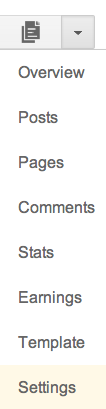
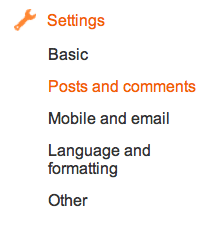
To enable comments, click on Settings from the drop-down menu on your Dashboard, then go to the area for posts and comments.
Drop-down menu, settings is the last option

Comments section under Settings
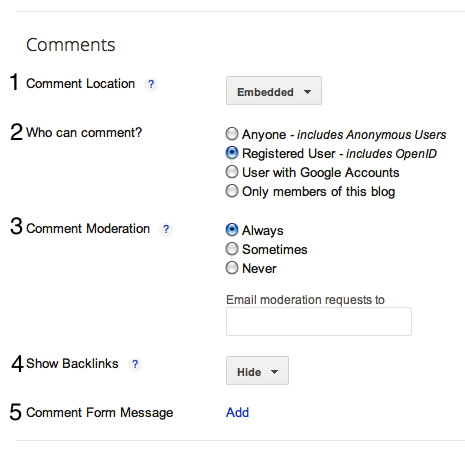
There, you'll see all the settings to manage your comments.
Settings for comments
  1. Comment location: Select "Embedded" if you'd like to enable threaded commenting.
  2. Who can comment?: Here you can specify who can comment on your posts. The options range from anyone (which means that anonymous users can comment without having to sign in to any type of account first) to only members of the blog (if it's a team blog).
  3. Comment moderation: Decide if you'd like to always, sometimes, or never moderate comments. If you select "Always," you'll have the option to enter in an email address where you can receive notifications that there are comments awaiting moderation. If you select "Sometimes," you'll be prompted to specify how many days old the post should be before it requires moderation. "Sometimes" is a good option for bloggers who want to make sure that comments on all posts are kept fresh and recent, and that conversation or debates on old posts aren't suddenly rekindled.
  4. Show backlinks: Turning on this option will show all the URLs around the web that link to your blog post. The URLs will be visible to both you and to the readers of your blog.
  5. Comment form message: Add a message to your readers who click to comment on your blog. Some bloggers like to include a little thank-you note, or details about how they tend to follow-up with comments.
Enabling comments on a post-by-post basis
If you don't want your comment settings to be blog-wide, you can click on the menu on the right side of the Post Editor to set post-specific comment settings. Here you can choose among three options: Allow; Don't allow, hide existing; Don't allow, show existing.
Options on the right side of your Post Editor

Threaded comments

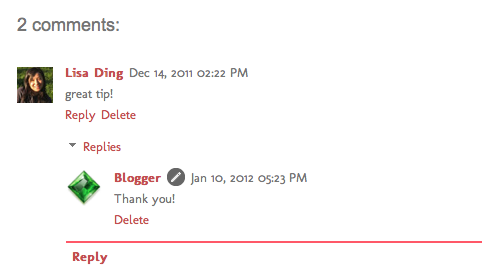
Single level commenting allows a reader to post a comment to a post. Threaded commenting allows a reader to reply to other reader comments on that post. Blogger supports threaded commenting with two levels -- the original comment, and the replies to that comment.
Threaded comments For example, let's say that Fred reads Julie's baking blog, and comments on a post she wrote about chocolate lava cake, suggesting that it tastes great with raspberries. Sarah, another reader of Julie's blog and also a huge fan of raspberries, wants to reply directly to Fred. With 2-level commenting, Sarah can click "Reply to this comment" directly under Fred's text, and respond to him. Anyone else interested in responding to Fred's comment can do so as well, adding onto the second tier of comments.
Enabling threaded commenting
If you have commenting enabled on your blog, then threaded commenting will work provided you have your blog feed set to "Full," and have chosen the “Embedded" option as opposed to “Full page” or “Popup window.” To change your commenting settings, just go to the Comments section under Settings | Posts and comments. The setting to change your blog feed can be found under Settings | Other.
Notifications
A threaded commenting system means more discussion and back-and-forth dialogue. If you’d like to be notified of any updates to a discussion, just click “Follow by email” to subscribe to the thread. This way, you’ll be notified via email so you can keep up with the conversation. Keep in mind that this is a different subscription than the “Follow by email” gadget used to follow another blogger’s blog posts.
updated 02/15/2013

Prevent unwanted comments and comment spam

Blogger has several built-in measures for dealing with comment spam and other associated dastardly behavior.
  1. Only five html tags are accepted:
    <a> (for making links)
    <strong> and <b> (for making text bold)
    <em> and <i> (for making text italicicized)
  2. All links will automagically use the rel="nofollow" tag, so they'll receive no PageRank boost.
  3. You can choose to receive notification by email when new comments have been posted on your blog. This way, you can monitor them for spam and delete them when necessary.
  4. You can enable word verification for your comments. This will require an extra step in the commenting process, which will deter automated comment spamming systems.
  5. You can enable comment moderation, which will let you view new comments and approve or reject them before they appear on your blog.
updated 02/15/2013

Delete comments

You can delete any comment that you create on anyone else's blog, as long as you signed in to your Google Account when you left the comment. You can also delete any comments (registered or anonymous) that are left on your own blog, or on another blog for which you have admin privileges.
To delete a comment, first make sure that you are logged in to the correct Blogger account (administrator of the blog or author of the comment). Then go to the blog and find the page where the comment is listed. Next to the comment, you should see a trash can icon, like this:
Click the trash can and you will see this confirmation page, which also lists the comment for review:
You can cancel here if you change your mind. Clicking the "Delete Comment" button will remove the text of the comment from your page, but leave the author's name and a message saying "this comment has been removed." If you check the "Remove Forever" option, then no trace of the comment will remain on your blog.
Notes:
  • If you can't see the trash can icon, then that is probably because of a caching issue with your browser. First double check that you are logged in to the correct Blogger account. Then clear your browser's cache and refresh the comment page a few times, until the icon appears. Alternatively, you could try deleting the comment from a different browser.
  • If you have a firewall or other security software (e.g. Norton AntiVirus) on your computer, then this could also be causing the icons to be hidden. Try temporarily disabling this software or modifying its settings to delete your comments.
  • Once a comment has been deleted, there is no way to recover it.
  • It is not possible to edit comments. If you want to edit your own comment, you can simply delete it and then re-enter it with the changes. (However, the timestamp will be modified to reflect the time of the new comment.)
updated 02/15/2013

Leave comments on a blog

If someone has comments enabled on his or her blog, then you can usually find a "comments" link at the end of each post, like this:
View comments If you click this link, you'll see the comments that other readers have left, and the option to leave your own. The link might open a pop-up window, depending on how the blog owner configured their comment settings.
> Beneath the text field for your comment are the identity options. (The list might have other options, depending on the blog's settings.)
Options might include:
  • Google Account: If you choose this option, your comment will be attributed to your Blogger display name, which will then link to your Blogger profile. If you've chosen to link your blog to Google+, then the name used on your Google+ profile will show up next to the comment, and link to your Google+ profile.
  • Anonymous: If the blog owner has allowed anonymous comments, then you'll also have the option to leave a comment anonymously. If you leave an anonymous comment, it will not link back to your blogs, Blogger profile, or Google profile in any way.
  • OpenID: Learn more about what it means to use OpenID to leave a comment.
  • Other third-party sign-in options
Notes:
  • This article only covers Blogger's commenting system. Some Blogger users have installed third-party comment systems (e.g. Haloscan, Enetation, etc.) which will work differently.
updated 02/15/2013

Moderate comments

The ability to moderate comments gives you control over the kind of messages people leave on your blog. You can find the comment moderation (3) setting on the Settings | Posts and comments tab, along with all of the other comment settings:
Settings for comments
You can decide if you'd like to always, sometimes, or never moderate comments. If you select "Always," you'll have the option to enter in an email address where you can receive notifications that there are comments awaiting moderation. If you select "Sometimes," you'll be prompted to specify how many days old the post should be before it requires moderation. "Sometimes" is a good option for bloggers who want to make sure that comments on all posts are kept fresh and recent, and that conversation or debates on old posts aren't suddenly rekindled.
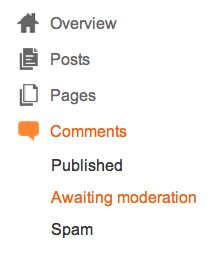
If you decide to set up comment moderation, all incoming comments will go to a special "Awaiting moderation" page, which you can find under the Comments | Awaiting moderation tab:
Settings for comments
On this page, you'll see a list of all the comments that have been created but have not yet been approved or rejected. (This list excludes any comments made by admin members of the blog.)
Each line in the list displays the comment, the author's name, and the date it was created. You can approve or delete the comment, or mark it as spam by hovering over the comment and selecting the option you'd like. You can also select multiple comments and publish or reject them all at once by using the check boxes and buttons at the top of the list.
This entire process can also be done via email. If you entered an email address for moderation, you'll get a message for each comment which will contain "Publish" and "Reject" links, as well as a link to the main moderation page for the blog. The links provided will prompt you to sign in to your Google Account if you aren't already. The links will only work for new comments, and won't let you change the state of a comment that's already been moderated.
Notes:
  • Comments that have already been published or rejected are removed from the moderation list. Rejected comments are deleted and can't be recovered. Approved comments can be deleted in the usual way if you decide you no longer want them.
  • Only blog administrators will be able to moderate comments. Team members without admin privileges will not have access.
updated 02/15/2013

Comment with OpenID

OpenID is an open standard that allows users of OpenID-enabled services to log in to any OpenID-supported site with one set of login credentials. What does that mean for your blog? It's a way to authenticate user comments on your blog, without requiring your readers to have a Google Account. For example, let's say you have a friend, Brady from LiveJournal, who doesn't have a Google Account. With OpenID, he can now comment on your blog using his OpenID credentials and identify himself as the owner of http://brady.livejournal.com, instead of commenting anonymously. Please see the OpenID site for more information about OpenID.

How do I Enable OpenID Commenting on my Blog?

Simply go to your Settings | Comments tab and select "Registered Users" or "Anyone" for the "Who Can Comment" option. Don't forget to click "Save Settings" on the bottom of the page.
Note that allowing "Anyone" to comment on your blog will allow more than just OpenID users to comment.

How do I comment Using my OpenID identity?

Start off by going to the comment page of the post where you'd like to comment. Then, select your OpenID provider from the drop down menu next to the "Sign-in using" option. If your OpenID provider is not on the list, please choose the "Any ID" option.
Next, provide your OpenID login information. After you click "Publish Your Comment," you will be redirected to your OpenID provider to authenticate your ID. After authenticating with the provider, you will return to the comments page and your comment will automatically be posted. Your comment will appear appear with a OpenID icon to the left of the comment.
Note that your display name is the name sent to us by the OpenID provider. If no display name is given, we will try to derive it from your OpenID URL. This is the name that will be displayed as the author of the comment and will be linked to your OpenID URL.
updated 02/15/2013

The word-verification option

The "word verification" option can be found on the Settings | Posts and comments section in your blog.
If you choose "yes" for this setting, then people leaving comments on your blog will be required to complete a word verification step, similar to the one presented when you create a blog:
Adding this option prevents automated systems from posting comments to your blog, since it takes a human being to read the word and pass this step. If you've ever received a comment that looked like an advertisement or a random link to an unrelated site, then you've encountered comment spam. A lot of comment spam is made automatically by software which can't pass the word verification step, so enabling word verification is a good way to prevent unwanted comments.

Related Articles

  • Keeping comments clean

    Comment Inbox

    To make it easier for you to manage your comments, we’ve created a new Comments tab for you to access them. Here, you can manage published comments, comments that have been flagged as spam and comments awaiting moderation if you have turned on Comment Moderation.
    Users with Comment Moderation turned on will continue to see comments that need moderation and have not been flagged as spam in Comments | Awaiting Moderation. Users without Comment Moderation will not see any comments in Comments | Awaiting Moderation.

    Spam Inbox

    Blogger now filters comments that are likely spam comments to a Spam Inbox, much like the spam folder in your email. When someone leaves a comment on your blog, it will be reviewed against our spam detector, and comments that are identified as possible spam will be sent to your blog’s Spam Inbox, found at Comments | Spam.
    You can help improve our ability to automatically detect spam comments by checking your Spam Inbox and deleting spam comments and marking real comments that may have been flagged as spam as Not Spam.
    If you have questions about what constitutes spam on Blogger, please review our Content Policies.
    updated 02/15/2013

អាស៊ីសេរី

http://www.rfa.org/khmer/news/social-economy

សេដ្ឋកិច្ច

សេដ្ឋកិច្ច

For a topical guide to this subject, see Outline of economics.
សេដ្ឋកិច្ច
GDP PPP Per Capita IMF 2008.svg
ចំណាត់ថ្នាក់ក្រុមទូទៅ
មីក្រូសេដ្ឋកិច្ច · ម៉ាក្រូសេដ្ឋកិច្ច
ប្រវត្តិគំនិតសេដ្ឋកិច្ចHistory of economic thought
វិធីសាស្ត្រ · Heterodox approaches
វិធីបច្ចេកទេសTechnical methods
Mathematical · Econometrics
Experimental · គណនេយ្យជាតិNational accounting
Fields and subfields
ឥរិយាBehavioral · វប្បធម៌ · វិវត្តន៍
កំណើន · អភិវឌ្ឍន៍ · ប្រវត្តិ
អន្តរជាតិ · ប្រព័ន្ធសេដ្ឋកិច្ច
សេដ្ឋកិច្ចរូបិយវត្ថុ និងហិរញ្ញវត្ថុ
សេដ្ឋកិច្ចសាធារណៈ និងសុខុមាលភាព
សុខាភិបាល · អប់រំ · សុខុមាលភាព
ប្រជាសាស្ត្រ · ការងារ · បុគ្គលិក
គ្រប់គ្រង · គណនាComputational
Business · ព័ត៌មាន · ទ្រឹស្ដីល្បែង (Game theory)
អង្គការឧស្សាហកម្មIndustrial organization · ច្បាប់
កសិកម្ម · ធនធានធម្មជាតិ
ធម្មជាតិ · Ecological
ទីក្រុង · ជនបទ · តំបន់ · ភូមិសាស្ត្រ
បញ្ជីរាយនាម
Journals · Publications
Categories · ប្រធានបទ · Economists
ធុរកិច្ចនិងសេដ្ឋសាស្ត្រ
ប្រអប់នេះ: បង្ហាញ · ការពិភាក្សា · កែប្រែ

សេដ្ឋកិច្ច និង សេដ្ឋសាស្ត្រ

យោងតាមវចនានុក្រមខ្មែររៀបរៀងដោយ សម្តេចសង្ឃរាជ ជួន ណាត (១៩៦២) ដែលខាងវិទ្យាស្ថានភាសាជាតិបានអំពាវនាវឲ្យប្រើប្រាស់ជាគោល​នោះ​ ​បាន​ពន្យល់​ពាក្យ​សេដ្ឋកិច្ចថា​បាន​មក​ពី​បន្សំ​រវាង​ពាក្យ សេដ្ឋ + កិច្ចការ ក្នុង​នោះ​ពាក្យ"សេដ្ឋ" មាន​ន័យ​ថា ប្រសើរ ឧត្តុង្គឧត្តម។​ ​រួម​សេចក្តី​មក សេដ្ឋកិច្ច​មាន​ន័យ​ថា​ជា​កិច្ចការ​ដ៏ឧត្តុង្គ​ឧត្តម​ថ្លៃថ្លា ឬ​ក៏​ជា​កិច្ចការ​ទាំង​ឡាយ​ដែលធ្វើ​ឲ្យ​ប្រទេស​ជាតិ​រីក​ចំរើន ។ សំណេរក្រោយ​មកមានការ​ប្រើ​ប្រាស់ពាក្យនេះក្នុងន័យប្រាស​ចាក​ពី​ន័យ​ដើម​ របស់វា ពោលគឺនៅពេល​ ដែលពាក្យនេះត្រូវបានយកទៅប្រើឲ្យសមន័យទៅនឹងពាក្យបារាំងឬអង់គ្លេសថា អេកូនូមី (Economy)។ លោក រ. គោវិទ (១៩៦៧) បានពន្យល់ពាក្យសេដ្ឋកិច្ច នេះថា ជាការសន្សំទុកឲ្យចំរើនឡើង ឬជាកិច្ចការរាជការដែលទាក់ទងនឹងពាណិជ្ជកម្ម និងឧស្សាហកម្មទូទៅ ។ ចំណែកលោក ហ៊ាន សាហ៊ីប និងហ៊ីង ថូរ៉ាក់ស៊ី (២០០៤) បាន បញ្ជាក់ពីការប្រើប្រាស់ពាក្យនេះសំដៅទៅលើអត្ថន័យ​បីជាសំខាន់ ១) សេដ្ឋកិច្ចគឺជាសំណុំនៃទំនាក់ទំនងផលិតកម្មសង្គម និង ជាខឿនទៃទំនាក់ទំនងនេះ ២) សេដ្ឋកិច្ចក្នុងន័យជាវិស័យ ផ្នែក ឬទំហំសេដ្ឋកិច្ចដូចជា៖ សេដ្ឋកិច្ចឧស្សាហកម្ម សេដ្ឋកិច្ចកសិកម្ម ៣) សេដ្ឋកិច្ចក្នុងន័យកម្មវត្ថុសិក្សា (សេដ្ឋសាស្ត្រ)។​ ​ ចំណែកឯពាក្យថាសេដ្ឋសាស្ត្រវិញគ្រាន់តែសំដៅទៅលើសាស្ត្រា ឬវិជ្ជាដែលពន្យល់អំពីរបៀបរបបឬបែបផែននៃសេដ្ឋកិច្ច ។ តែយ៉ាងណា ន័យរបស់ពាក្យសេដ្ឋកិច្ច និងសេដ្ឋសាស្ត្រនៅក្នុងពេលបច្ចុប្បន្ននេះគឺជាន័យដែលផ្តល់ឲ្យដោយលោក រ. គោវិទជាចម្បង។
បើវិភាគពាក្យតាមនិរុត្តិសាស្ត្រ(etymology) ពាក្យថាសេដ្ឋកិច្ចគឺបានមកពីពាក្យក្រិច(ភាសាក្រិច)​ οίκω [oeko=ផ្ទះ] និង νέμω​ [nemo=ការបែងចែក] ពោលគឺសំដៅទៅ​ លើការចាត់ចែងទាំងឡាយនៅក្នុងផ្ទះដោយមេគ្រួសារ។​ ន័យដើមរបស់ពាក្យនេះ​ដូចជាមានលក្ខណៈចំឡែកបន្តិចបើប្រៀបធៀបទៅ នឹងវិសាលភាពនៃអត្ថន័យ របស់ពាក្យដែលកំពុង ត្រូវបានប្រើប្រាស់នាពេលបច្ចុប្បន្ន ពោលគឺយើងច្រើននិយាយសំដៅទៅដល់ន័យថាជាកិច្ចការសង្គមជាធំ។ ប៉ុន្តែ​បើ​គិត​ឲ្យ​ល្អិត​បន្តិច​នោះ​ គ្រួសារនិង​សង្គម​មាន​លក្ខណៈ​រួម​គ្នា​ច្រើន​នៅក្នុងការចាត់ចែងកិច្ចការនិង​ ធនធាន។ គ្រួសារប្រឈម​មុខ​នឹង​ការសំរេចចិត្តជាច្រើនដូចជាថា​​តើ​សមាជិក​ក្នុង​ គ្រួសារ​និមួយៗត្រូវធ្វើ​អ្វី​ខ្លះ? អ្នកណា​ជា​អ្នក​បោកគក់​? អ្នកណា​ជា​អ្នកដាំស្ល​? តើ​ចំណូល​ដែល​រកបាន​ត្រូវ​សន្សំ​ប៉ុន្មាន​និង​ចាយ​វាយ​ប៉ុន្មាន? តើត្រូវចាយវាយលើ​អ្វី​ខ្លះ រាប់ចាប់តាំង​ពី​ការចំណាយប្រចាំថ្ងៃ ការចំណាយលើការសិក្សា​របស់​កូនៗ ការ​ដាក់ទុន​រកស៊ី ។ល។ និយាយ​អោយ​ខ្លី​ គ្រួសារនិមួយៗ​ត្រូវ​បែងចែក​ធនធាន​របស់​ខ្លួន​ក្នុង​ចំណោម​សមាជិកដោយ​ផ្អែក​ លើ​សមត្ថភាព​ ការខិតខំ​ប្រឹងប្រែង ចំណង់​ចិត្តរបស់​ពួកគេ​ម្នាក់ៗ និងត្រូវធ្វើយ៉ាងណាដើម្បីរក្សាលំនឹងស្ថានភាព​គ្រូសារផងដែរ។ ​យើងតែងតែប្រើប្រាស់ពាក្យថា​ សេដ្ឋកិច្ចគ្រួសារ"សម្រាប់សំដៅទៅដល់កិច្ចការដែលបានរៀបរាប់ មកខាងលើនេះ។ ​សង្គម​ក៏​ដូចជា​គ្រួសារ​មួយដែរ គឺតែងជួប​ប្រទះការសំរេចចិត្ត​ជាច្រើនដូចជា​តើ​ត្រូវ​ផលិតអ្វី? ផលិត​ដោយ​របៀបណា? ផលិត​សំរាប់​អ្នកណា? និងដើម្បីអ្វី?
ជាទូទៅ​ពាក្យ​សេដ្ឋសាស្ត្រសំដៅ​ទៅ​លើកិច្ចការសង្គមជាជាងកិច្ចការគ្រួសារ ពីព្រោះថាទ្រឹស្តីដែល​នឹង​លើក​យកមក​អធិប្បាយ​នៅ​ទីនេះ​ មានឫសគល់ជាការដោះស្រាយបញ្ហា សង្គមជាចម្បង។ ទោះជាយ៉ាងណាក៏ដោយ គោលគំនិតសេដ្ឋសាស្ត្រអាចយកទៅប្រើប្រាស់ បានយ៉ាងទូលំទូលាយលើគ្រប់បញ្ហាដែលចោទមានឡើង សូម្បីតែបញ្ហាផ្ទាល់ខ្លូន។ ហើយក៏មានសេដ្ឋវិទូខ្លះ​បាន​សិក្សា​លើ​ប្រធានបទសង្គម​ដូច​ជា​អាពាហ៍ពិពាហ៍​ ​ទោសប្រហារជីវិត​រហូត​ដល់ស្ថាប័ននយោបាយ​។​ យើងនឹងពិនិត្យទៅលើការឲ្យនិយមន័យ ដល់ពាក្យសេដ្ឋសាស្ត្រដោយបណ្តាសេដ្ឋវិទូនៅគ្រប់មជ្ឈដ្ឋាន ហើយនិងពីអ្វីៗដែលពូកគេនិយាយអំពីសេដ្ឋសាស្ត្រ។ តែសូមបញ្ជាក់ថាសេដ្ឋវិទូមិនដែលពេញចិត្តនឹងនិយមន័យណាមួយដែលខ្លួនបានផ្តល់ឲ្យនោះទេ ពួកគេមានអារម្មណ៍ថាវាមានន័យច្រើនជាងនេះទៅទៀត។
លោក Jean-Baptiste Say បានសរសេរថា៖​ "កម្មវត្ថុសិក្សាស្តីពីសេដ្ឋសាស្ត្រគឺធ្វើឲ្យដឹងថា តើធនធានធម្មជាតិនានាកកើតឡើងដូចម្តេច? និងប្រើប្រាស់ដូចម្តេច? ដើម្បី​បំពេញ​​សេចក្តី​ត្រូវកា​ររបស់​សង្គមជាតិ"។ ផ្អែកលើ​និយមន័យ​នេះ យើងអាច​យល់​បាន​ថា សេដ្ឋវិទូ​ព្យាយាម​​យល់​ឲ្យ​កាន់តែច្បាស់នូវដំណើរការ​បំឡែង​ធនធាន​ដែលមាន រហូតទៅ​ដល់​ការប្រើប្រាស់​ចុងក្រោយ ហើយ​បំណង​សំខាន់​បំផុត​នោះ​គឺ​បំពេញ​តម្រូវការ​នៃ​បណ្ដុំ​មនុស្ស ។ ទោះបីយ៉ាងណា​និយមន័យ​នេះ​នៅតូច​ចង្អៀត​ណាស់​សំរាប់​វិសាលភាព​សេដ្ឋកិច្ច​ ក្នុងពេល​បច្ចុប្បន្ន ។
លោក Lionel Robbins​​ បានផ្តល់និយមន័យថា "សេដ្ឋសាស្ត្រជាវិទ្យាសាស្ត្រសិក្សាពីឥរិយាបថ របស់មនុស្សឈរលើទំនាក់ទំនងរវាងសេចក្តីត្រូវការចុងក្រោយ​និង​ធនធាន​កម្រ ដែលមានជម្រើស​ក្នុង​ការប្រើប្រាស់"​។ ជានិយមន័យដែលបន្ថែមន័យបន្តិចទៅលើនិយមន័យ ខាងលើដោយបញ្ជាក់ពីជម្រើសនៃសេចក្តីនេះ ដោយយោង ទៅលើការគ្របគ្រង នូវធនធាន ដោយ​ផលិត​ជា​វត្ថុ​ប្រើប្រាស់​ចុងក្រោយ​តាមវិធី​ប្រសើរ​បំផុតទៅតាម​សេចក្តី​ ត្រូវការ​របស់សង្គម​។ ក្នុងនេះ​សេដ្ឋសាស្ត្រ​មិនចាប់អារម្មណ៍​លើទំនិញ​ពាក់កណ្ដាល​សំរេច​ទេ​ ដោយ​ធ្វើយ៉ាងណា​ឲ្យតែបាន​ទំនិញ​ចុង ក្រោយ​គ្រប់គ្រាន់​នឹង​បំពេញ​សេចក្តីត្រូវការ។
លោក Karl Mark ឲ្យនិយមន័យថា "សេដ្ឋសាស្ត្រជាវិទ្យាសាស្ត្រសិក្សាអំពីក្រិត្យក្រម មុខងារ និងការអភិវឌ្ឍន៍ទំនាក់ទំនងរវាងមនុស្សនិងមនុស្សតាមរយៈផលិតកម្ម ការបែងចែក ការផ្លាស់ប្តូរ និងការប្រើប្រាស់ធនធាននានាក្នុងតំណាក់កាលនៃការអភិវឌ្ឍន៍សង្គម" ។ សេដ្ឋវិទូនេះបានផ្តល់និយមន័យដ៏ទូលាយមួយដែល​រួមមាន​ការសិក្សា​ពី​សមាសភាគ​ នៅក្នុង​សេដ្ឋកិច្ច ទំនាក់ទំនងរវាងសមាសភាគទាំងនោះ​ ផលិតកម្ម ការបែងចែកផលិតផលសំរេច និងការបែងចែកផលនៅក្នុងសង្គមផងដែរ ។ សមាសភាគសេដ្ឋកិច្ច នៅទីនេះ​បញ្ជាក់​តាមរយៈ​ទំនាក់ទំនង​រវាងមនុស្សនិងមនុស្សដែលមានដូចជាផលិតករ អ្នកប្រើប្រាស់ និងរដ្ឋាភិបាលជាដើម។ តែសេដ្ឋសាស្ត្រ​មិនគ្រាន់តែ​ចាប់​អារម្មណ៍​តែ​ក្នុង​ដំណាក់កាល​នៃការ​ អភិវឌ្ឍន៍​សង្គម​ទេតែ​សំរាប់​ជីវិត​សេដ្ឋកិច្ច​ពីដើមដល់ចប់ ។
លោក Paul Samuelson បានសរសេរថា "កម្មវត្ថុសិក្សាស្តីពីសេដ្ឋសាស្ត្រគឺជាការប្រើប្រាស់ធនធាន ភោគទ្រព្យដែលមានកំណត់សំរាប់ផលិតទំនិញនិងសេវា រួចបែងចែក​របស់​ទាំងនោះ​ទៅអោយ​វណ្ណៈ និងក្រុមមនុស្សផ្សេងៗគ្នា"។ និយមន័យនេះខ្លីនិង មានន័យគ្រប់គ្រាន់ដែលបញ្ជាក់ពីកម្មវត្ថុនៃសេដ្ឋសាស្ត្រ ហើយងាកចេញពីន័យ បែបសង្គមសាស្ត្រដែល​សេដ្ឋវិទូ​ទាំងបី​ ខាងលើ​បានផ្តល់ដោយ​រក្សា​ខ្លឹមសារ​ដែលជា​កម្មវត្ថុ​នៃ​សេដ្ឋសាស្ត្រ។
សេដ្ឋវិទូ Alfred Marshall បានអោយនិយមន័យយ៉ាងសាមញ្ញថា "សេដ្ឋសាស្ត្រគឺការសិក្សាអំពីជីវិតធម្មតានៃមនុស្សជាតិ " ។ នេះជានិយមន័យយ៉ាងទូលាយ​បំផុត​ដែល​ជា​កម្មវត្ថុ​សិក្សា​នៃ​សេដ្ឋសាស្ត្រ​ សំរាប់​ពេល​បច្ចុប្បន្ន ពោលគឺសេដ្ឋសាស្ត្រ​អាចយកទៅប្រើប្រាស់បានយ៉ាងទូលំទូលាយ នៅក្នុងក្របខ័ណ្ឌជាគោលការណ៍មួយដែលនឹងយកមកបកស្រាយនៅ ចំណុច​ជាបន្តបន្ទាប់ខាងក្រោម។ សេដ្ឋវិទូភាគច្រើនកំណត់ឲ្យនិយមន័យសេដ្ឋសាស្ត្រថា "ជាការសិក្សាអំពីរបៀបដែលសង្គមនិមួយៗចាត់ចែងធនធានដ៏កម្ររបស់ខ្លួន" ឬ អាចសរុបមួយទៀតថា "សេដ្ឋសាស្ត្រជាវិទ្យាសាស្ត្រសិក្សា ស្រាវជ្រាវរកវិធីដើម្បីដោះស្រាយបញ្ហា ការប្រើប្រាស់ឲ្យចំទីកន្លែង និងចំពេលវេលា​ និងឲ្យមានប្រសិទ្ធភាព នូវធនធានសេដ្ឋកិច្ច ឬកត្តាផលិតកម្មដែលយើងមានដោយកម្រ និងគ្រប់គ្រងកត្តាទាំងនេះក្នុងទិស ដៅបំពេញឲ្យបាននូវតំរូវការរបស់សង្គមមនុស្ស" (សាហ៊ីប និង ថូរ៉ាក់ស៊ី ២០០៤)។ ពិនិត្យតាមនិយមន័យនេះ មានពាក្យ​បីសំខាន់គឺរបៀប​ វិធីសាស្ត្រចាត់ចែងធនធានកំរ និងសង្គម អាចប្រែបានថាជាក្បួនខ្នាត ដែលសំដៅទៅលើការរៀបចំធានធានដែលមានកំណត់ ដូចជាផ្ទៃដី ធនធានធម្មជាតិ ប្រជាជន ដោយធ្វើយ៉ាង​ណាឲ្យទទួលផលមកវិញជាអតិបរមា ហើយមិនមែនសំរាប់មនុស្សម្នាក់ៗទេ តែសំរាប់បណ្ដុំមនុស្សទាំងអស់ ឬក៏សង្គមមួយ។
មុខវិជ្ជា​នេះ​ត្រូវ​បាន​បែងចែក​ជា​ពីរ​សាខា​គឺ៖​ មីក្រូសេដ្ឋកិច្ចដែល​សិក្សា​ពី​បុគ្គល​​ម្នាក់ៗ​មានដូចជា​គេហជន​ និង​អាជីវកម្ម និង​ម៉ាក្រូសេដ្ឋកិច្ច​ជាកាសិក្សា ​​ពីកិច្ចការ​របស់​ប្រទេស​មួយទាំងមូល​​ដែល​ជាទូទៅ​ពិចារណា​ទៅលើ​ ការផ្គត់ផ្គង់សរុប​និងតម្រូវការសរុប​ មូលធន និងទំនិញ។ ចំណុច​ដែល​ទទួល​ការចាប់អារម្មណ៍​នៅ​ក្នុង​សេដ្ឋកិច្ច​មាន​ ការបែងចែកធនធានកំរ ផលិតកម្ម ការចាត់ចែង ពាណិជ្ជកម្ម និង​​​ការប្រកួតប្រជែង​។ មូលដ្ឋានគ្រឹះនៃសេដ្ឋកិច្ចត្រូវ​បានយក​ទៅ​ ប្រើប្រាស់កាន់តែច្រើនឡើងដើម្បីដោះស្រាយ​បញ្ហា​ទាំងឡាយដែល​ទាក់ទង​ទៅនឹង​ ជម្រើស​នៅក្រោម​ភាពកំរ ឬការកំណត់​តម្លៃ​សេដ្ឋកិច្ច​។
សេដ្ថកិច្ចទីផ្សារសេរី (Capitalisim)គឺជាទំរង់សេដ្ឋកិច្ចមួយដែលមានប្រវិត្តចេញពីបណ្តាប្រទេសលោកខាងលិច។